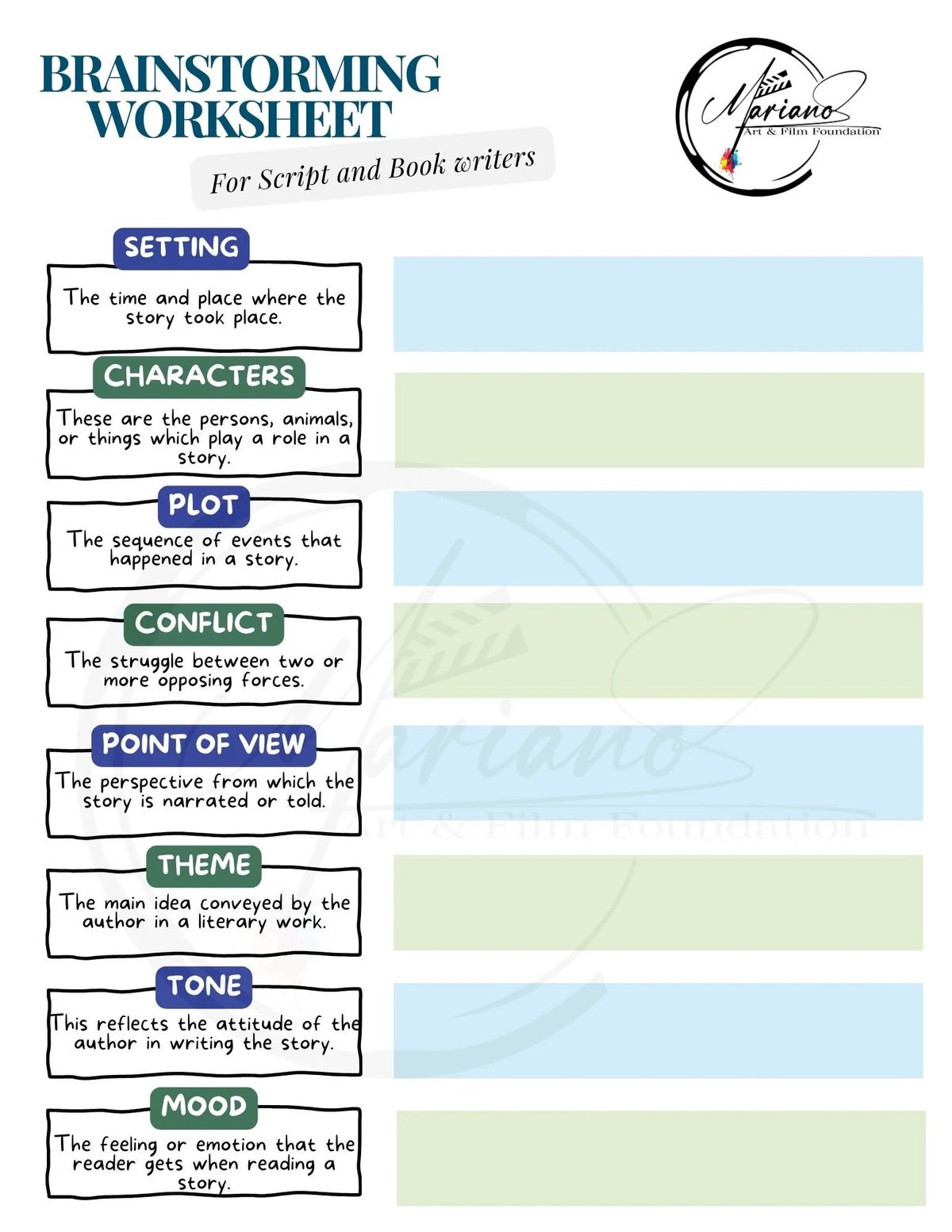
Crafting a film that resonates, one that stays with an audience long after the credits roll, hinges on one foundational truth: the power of its Storyline & Script Development. It's the alchemical process that transforms a fleeting idea into a vibrant, living narrative, shaping every beat, every character nuance, and every emotional crescendo. This isn't just about putting words on a page; it's about building worlds, forging connections, and articulating a vision that will guide an entire production.
Think of it this way: before a single frame is shot, before an actor utters a line, a script must stand as the definitive blueprint. It's the architect's drawing for the director, the character bible for the actors, and the emotional compass for the entire crew. A well-honed script isn't just nice to have; it's the critical differentiator between a forgettable flick and a cinematic triumph.
At a Glance: Your Blueprint for Blockbuster Storytelling
- Foundation First: A compelling script is the absolute bedrock for any successful film, guiding every stage of production.
- Characters are Key: Develop relatable, evolving characters with clear arcs that drive the story forward.
- Structure Matters: Utilize frameworks like the three-act structure or the Hero's Journey to provide momentum and clarity.
- Conflict is Fuel: Embrace escalating challenges and moral dilemmas to reveal character and propel the narrative.
- "Therefore, But": Connect story beats with strong cause-and-effect to avoid disjointed storytelling.
- Collaborate & Revise: Script development is an iterative process; embrace feedback and multiple revisions.
- Write, Then Rewrite: The first draft is for getting ideas out; subsequent drafts are for making them shine.
Why the Script is Your Film's Unsung Hero
In the bustling, high-stakes world of filmmaking, the script often gets less fanfare than the blockbuster special effects or the star-studded cast. Yet, industry insights consistently affirm its paramount importance. Studies from institutions like the Sundance Institute and data from the Writers Guild of America (WGA) repeatedly highlight a correlation: films with strong, well-developed scripts — particularly those exhibiting balanced pacing and tone — are significantly more likely to achieve both critical acclaim and commercial success.
A raw idea, no matter how brilliant, is just a spark. Script development is the oxygen that ignites it into a cohesive, engaging narrative. It’s a multifaceted journey encompassing brainstorming, outlining, writing, and rigorous revision. This process lays the groundwork for every visual, every performance, and every emotional beat that follows. Without a robust script, a project risks becoming a disjointed collection of scenes, lacking the coherence and emotional resonance that captivate an audience. It dictates the pacing, establishes the tone, and orchestrates the narrative flow, making it the true heart of any production.
The Core Ingredients of a Compelling Narrative
So, what exactly goes into a script that makes it sing? It's more than just a good story idea; it's about the meticulous construction of several interlocking elements.
Structure is King: The Three-Act Foundation
At its heart, a well-developed script hinges on a clear and concise narrative structure. While variations exist, the foundational principle often harks back to Aristotle: a story needs a beginning, a middle, and an end. This "three-act structure" provides a powerful framework:
- Act I (The Setup): Introduce your world, your characters, and the initial status quo. The inciting incident disrupts this world, kicking off the protagonist's journey and establishing their core goal.
- Act II (The Confrontation): This is the longest act, where the protagonist faces escalating challenges, internal and external conflicts, and experiences growth. Stakes rise, and often, a "point of no return" is reached.
- Act III (The Resolution): The climax — the story's peak — where all conflicts converge, and the protagonist must make a final stand. This leads to the resolution, revealing the new status quo and the consequences of the journey.
While the three-act structure provides a robust backbone, don't feel limited. Other frameworks like The Hero's Journey (popularized by Joseph Campbell) or Dan Harmon's Story Circle offer different lenses through which to structure your narrative. These aren't meant to be restrictive; rather, they're tools to foster creativity, ensuring your story maintains momentum and purpose. They provide a roadmap, preventing your narrative from wandering aimlessly.
Characters That Live and Breathe
A brilliant plot can only take you so far if your audience doesn't care about who it's happening to. Well-developed, relatable characters are the emotional conduits for your story. They need depth, flaws, desires, and a clear motivation that drives their actions.
Crucially, every compelling character embarks on an arc – a transformation from their initial state through their journey. This arc is triggered by the inciting incident, propels their growth through trials and tribulations, culminates in the story's climax, and resolves in a new understanding or changed existence. Consider a character like Marlin in "Finding Nemo": his core goal (finding his son) drives every decision, and his journey forces him to overcome his overprotective nature, ultimately completing a profound character arc. To truly understand how to make your characters leap off the page, you might want to consider unveiling the secrets of compelling character arcs.
The Pulse of the Story: Pacing and Tone
These two elements are often felt more than explicitly seen, yet they are vital.
- Pacing refers to the speed at which your story unfolds. Is it a slow burn, building tension incrementally? Or a fast-paced thriller, racing from one beat to the next? Effective pacing ensures your audience remains engaged, preventing stretches of boredom or overwhelming them with too much information too quickly.
- Tone denotes the emotional atmosphere of your film. Is it lighthearted and comedic, dark and gritty, suspenseful, or melancholic? Consistency in tone helps immerse the audience in the world you've created, making the emotional journey more impactful and believable.
Dialogue That Delivers
Dialogue isn't just about characters talking; it's about revealing character, advancing the plot, and establishing tone. Consistent dialogue means each character speaks in a distinct voice, reflecting their background, personality, and current emotional state. Bad dialogue can pull an audience right out of the story, while good dialogue can elevate it to new heights. If you're looking to refine your ear and pen for authentic exchanges, consider mastering the nuances of authentic film dialogue.
Unpacking Storyline Challenges (and How to Fix Them)
Even seasoned writers can fall into common narrative traps. Recognizing and addressing these issues early can save your script from feeling disjointed or superficial.
Problem 1: The "And Then..." Trap (Lack of Cause and Effect)
Many early drafts suffer from a series of events that simply happen one after another: "this happened, and then that happened, and then something else happened." This creates a passive, unengaging narrative.
The Fix: Embrace "Therefore" and "But"
As animated titans Trey Parker and Matt Stone famously advise, every story beat should be connected by either "Therefore" or "But." This forces you to establish meaningful cause-and-effect relationships.
- "The hero failed his mission, therefore he was exiled." (One event directly causes the next.)
- "The hero was exiled, but he discovered a new power source." (One event creates a new problem or twist.)
Applying this simple rule ensures that your plot points organically build upon each other, creating a sense of momentum and inevitability, rather than random occurrences. Each scene, each interaction, should have a direct consequence on what follows, propelling the narrative forward with purpose.
Problem 2: The "So What?" Syndrome (No Philosophical Conflict)
A story can have explosions and chases, but if it lacks a deeper meaning or a moral dilemma, audiences will often walk away feeling unfulfilled, asking, "So what?" If there's no core belief system challenged, no battle between good and evil, or no internal moral struggle, the story struggles to resonate.
The Fix: Incorporate Moral Dilemmas and Core Beliefs
To make your story memorable and allow for audience empathy, weave in philosophical conflicts. These can manifest as:
- Moral Dilemmas: A character is forced to choose between two undesirable outcomes, or between their personal gain and the greater good.
- Clash of Belief Systems: Characters represent opposing ideologies, and their conflict isn't just physical but deeply rooted in their worldview.
- Battles of Good vs. Evil: Not always literal; it can be about systemic injustice versus individual integrity, or the struggle against one's own darker nature.
When characters grapple with these deeper issues, the audience invests more emotionally, seeing reflections of their own struggles and beliefs. It transforms the plot from mere events into a profound human experience.
Crafting Your Narrative: A Step-by-Step Approach
Developing a movie script is an iterative journey, not a linear one. Embrace the messiness and the many stages of refinement.
From Idea to Outline: Brainstorming & Structuring
Before diving into pages of dialogue, get clarity on your core concept.
- The Spark: What's the central idea? What's the "what if"?
- Logline: Condense your story into a single, compelling sentence. This helps clarify the protagonist, goal, antagonist/obstacle, and stakes.
- Synopsis: Expand the logline into a short paragraph, outlining the main plot points.
- Beat Sheet/Step Outline: This is where you map out your story, scene by scene or beat by beat. Don't write dialogue yet; focus on what happens, who's involved, and how it advances the plot. This pre-visualization helps you identify structural weaknesses before you've invested hundreds of hours in writing.
The First Draft: Getting It All Out
Many writers freeze up, aiming for perfection in the first draft. Don't. The purpose of the first draft is to externalize all your ideas, no matter how messy.
- Embrace the "Purge": Allow yourself to write freely, without judgment. Get the story from your head onto the page.
- Focus on Momentum: Don't get bogged down by dialogue perfection or scene description. Keep the story moving forward.
- Silence Your Inner Critic: That voice telling you it's not good enough? Tell it to wait for the second draft.
Revision is Development: Polishing Your Gem
The saying "writing is rewriting" is profoundly true. Your script's true potential is unlocked in the revision process. Studies consistently show that films undergoing numerous revisions are more critically acclaimed.
- Multiple Passes: Don't just read through once. Read for plot holes, then for character consistency, then for dialogue, then for pacing, then for tone. Each pass has a specific focus.
- Collaboration and Feedback Loops: Share your script with a trusted group of peers, mentors, or industry professionals. Fresh perspectives are invaluable. Be open to criticism, but also learn to discern what serves your story best. This includes developing characters and storylines, refining dialogue and pacing, and ensuring continuity.
- Interpreting the Script Visually: As you revise, try to visualize each scene as a director would. Does the dialogue convey emotion? Do the descriptions hint at visual storytelling? A strong script provides clear guidance for the visual execution of the story. Honing your ability to write with the camera in mind means honing your visual storytelling techniques.
The Power of Conflict and Core Goals
At the heart of every great story lies a character with a driving objective and the obstacles preventing them from achieving it.
Character's Core Goal: Driving the Narrative
Every protagonist needs a clear, compelling goal that propels the narrative. This isn't just a vague desire; it's a specific, actionable objective that the audience can latch onto and root for. As discussed with "Finding Nemo," Marlin's goal to find his son is crystal clear and immediately understandable. This clarity provides purpose to every scene and every action your character takes. What does your character want more than anything else? And what are they willing to do to get it?
Escalating Conflict: Revealing Character, Point of No Return
Conflict is the engine of your story. It's through conflict that character traits are revealed, stakes are raised, and the story truly moves forward. This isn't just about a hero fighting a villain; it encompasses internal struggles, interpersonal clashes, and external obstacles.
Ensure your conflicts are:
- Essential: They must directly impact the protagonist's goal.
- Escalating: Each challenge should be tougher than the last, raising the stakes and pushing your character further.
- Character-Driven: The conflict should reveal who your character truly is, how they react under pressure, and how they grow (or fail to grow).
Ultimately, every good story needs a "point of no return" – a moment where the protagonist commits irrevocably to their path, making retreat impossible. This locks them into the escalating conflict and builds tremendous tension.
Navigating the Labyrinth: Overcoming Writer's Block and Roadblocks
Every writer, no matter their experience, faces moments when the words just won't come, or the plot twists into an unsolvable knot. Don't despair; these roadblocks are part of the creative process.
Seeking Inspiration
When stuck, step away from the page. Inspiration isn't always found staring at a blank screen.
- Consume Widely: Watch films (inside and outside your genre), read literature, explore art, listen to music.
- Observe Life: Pay attention to conversations, people-watch, notice the small details of everyday life. The mundane can spark the extraordinary.
- Change Your Environment: Sometimes a new setting – a coffee shop, a park, a different room – can trigger new thoughts.
The Value of Collaboration
Writing can be a solitary pursuit, but script development thrives on collaboration.
- Trusted Group: Cultivate a small, trusted group of writers or filmmakers who can offer constructive feedback. They're your early audience, identifying plot holes, inconsistent character behavior, or clunky dialogue that you, as the writer, might be too close to see.
- Fresh Perspectives: Someone else's perspective can shine a light on problems you've stared at for days, or offer innovative solutions you hadn't considered. Just ensure their feedback aligns with your core vision.
Write, Then Rewrite: The Fundamental Principle
This isn't just a best practice; it's the philosophy of successful screenwriting. The first draft is for emptying your mind of ideas. It's about getting the raw material down. The subsequent drafts—and there will be many—are where you sculpt, refine, and polish. Understand that writing is fundamentally rewriting. Each pass brings you closer to the powerful, resonant story you want to tell.
Beyond the Page: Visualizing Your Story
A well-developed script isn't an end in itself; it's a stepping stone. It's the ultimate guide for everyone involved in production. Directors interpret its tone and pacing, actors embody its characters, and the crew builds the world described within its pages. The script dictates not just dialogue, but also the visual cues, the emotional subtext, and the overall cinematic language of the film.
When you write, you're not just creating words; you're painting pictures with those words. You're implying camera angles, suggesting soundscapes, and defining the emotional impact of every scene. The clearer and more evocative your script, the more seamlessly the production team can bring your vision to life on screen. This is crucial for every film, whether it’s a gritty indie drama or a massive fantasy epic. Imagine the meticulous planning needed for a project like exploring the live-action Atlantis movie project, where the script must lay out a clear narrative path through breathtaking underwater worlds and complex mythological elements. A strong script allows for this kind of creative expansion and cohesive execution.
Your Next Act: Turning Your Vision Into Reality
The journey of Storyline & Script Development is arduous but deeply rewarding. It demands patience, resilience, and an unwavering commitment to your narrative. It's a continuous loop of creation and critique, of breaking down and building up. But remember, every compelling film you've ever loved started as a glimmer of an idea, painstakingly nurtured through this very process.
So, take a deep breath, embrace the challenge, and begin. Outline with precision, write with abandon, revise with ruthless honesty, and collaborate openly. Your story is waiting to be told, and with a robust script as your foundation, you're not just writing a film; you're crafting an experience that can move, inspire, and entertain. The blueprint is in your hands; now, build something incredible.