In the realm of storytelling, whether it's the sprawling pages of a novel, the captivating frames of a film, or the interactive landscapes of a video game, nothing transports an audience quite like a fully realized world. This isn't just about setting a scene; it's about crafting an entire universe, one where every detail, every nuance, feels inherently real. This is the power of Visual Style & World-Building, a symbiotic dance between imagination and tangible art that breathes life into your narrative. It's the art of mapping your story, not just on paper, but within the very fabric of your audience's imagination.
At a Glance: Crafting Your Universe
- World-Building Defined: It's the meticulous process of constructing a detailed, immersive fictional universe, encompassing everything from mountains to magic systems.
- The Blueprint: Key components include geography, culture, history, lore, societies, inhabitants, magic, and deities.
- Principles of Believability: Consistency, plausibility, depth, and integration are crucial for a convincing world.
- Why Visuals Matter: Art isn't just decoration; it's a powerful tool for clarity, creativity, and deeper storytelling, encouraging "showing, not telling."
- Hands-On Art: Simple drawing exercises—mapping landscapes, sketching characters, choosing color palettes—can profoundly enhance your writing process.
- Drawing Inspiration: Blend elements from history, mythology, and popular tropes, then infuse cultural specifics to create a unique yet relatable world.
- The Future is Visual: AI and immersive technologies like AR/VR are set to revolutionize how we build and experience fictional worlds.
The Architects' Blueprint: What World-Building Truly Is
World-building is the fundamental act of creation for any storyteller. It's the deep dive into constructing a detailed, immersive fictional reality, intricately weaving together societies, landscapes, histories, and countless other elements to forge a convincing and engaging universe. Think of it as the bedrock upon which your narrative stands – without it, even the most compelling characters or plots can feel untethered and unbelievable.
At its core, effective world-building demands meticulous crafting across several key components:
- Geography: This is your physical stage. It dictates continents, mountains, forests, oceans, and deserts, but also climate patterns and unique ecosystems. A scorching desert region naturally fosters different cultures and challenges than a sprawling, temperate forest.
- Culture: The soul of your world. It encompasses traditions, languages, social structures, festivals, and even the attire worn by its people. Culture isn't static; it evolves, influenced by geography, history, and interaction.
- History: The backstory and pivotal events that have shaped your world into what it is today. A cataclysmic war centuries ago, a golden age of prosperity, or the rise and fall of ancient empires—these events ripple through time, influencing current conflicts, social norms, and character motivations.
- Lore: This delves into the myths, legends, and belief systems that permeate your society. It includes religious hierarchies, origin myths explaining natural phenomena, and the folklore that informs daily life. Lore adds a rich layer of mystery and meaning.
- Societies: The intricate tapestry of how people live together. This includes political systems—be they monarchies, democracies, or oligarchies—and how governance and law are defined and enforced. Social hierarchies and power dynamics are crucial here.
- Inhabitants: The diverse races and species that populate your world. Whether human, fantastical like Elves and Dwarves, or extraterrestrial beings, each group should possess distinct physical traits, societal norms, and cultural practices that make them unique and believable.
- Magic Systems: If magic exists, it needs structure. Define its source (natural elements, mystical energies), its limitations (personal energy, specific materials, environmental conditions), and its cost (physical tolls, emotional burdens, or backlashes). A well-defined magic system feels like another natural law of your world.
- Gods and Supernatural Entities: Deities can represent natural forces, moral concepts, or act as patron saints, dictating belief systems and shaping cultural norms. Creatures, whether monsters or mythical beings, likewise add to the world's danger, wonder, and symbolic weight.
Crafting Credibility: Principles for Believable Worlds
A truly immersive world isn't just detailed; it feels real. This sense of reality, even in the most fantastical settings, hinges on a few crucial principles:
- Consistency is King: Every element in your world, from the speed of travel to the rules of magic or the capabilities of technology, must adhere to its own established internal rules. Break these, and your audience will notice, shattering their immersion. If magic requires a spoken incantation in one scene, it can't suddenly work with a mere thought in the next, unless a clear explanation is provided.
- Plausibility within Context: Even when dealing with dragons and starships, your world needs internal logic. While it might defy our real-world physics, it must make sense within its own established framework. If your world has floating islands, there should be a plausible explanation for how they defy gravity, even if that explanation is mystical.
- Depth Beyond the Surface: Don't just list facts. Expand on your setting’s history, delve into its cultures, and explore its conflicts beyond surface-level details. What are the underlying tensions? What motivates different factions? The audience should feel like there's always more to discover.
- Integration with Narrative: Your world isn't merely a backdrop; it's a character in itself. The setting should seamlessly integrate with the plot and character development, actively contributing to the narrative progression. A tyrannical society isn't just there to look bleak; it shapes your protagonist's struggle for freedom or compromise.
Beyond Words: Visual Style as Your Story's First Language
While words build the framework of your world, visual style is its beating heart. It's the immediate, visceral impression that communicates mood, genre, and identity before a single line of dialogue is read. Think of the sweeping vistas of Middle-earth, the grimy, lived-in feel of a sci-fi freighter, or the shimmering, ethereal glow of an alien city. These aren't just descriptions; they are visual declarations that instantly orient and engage the audience.
Visual style acts as your story's first language, translating abstract concepts into concrete reality. It defines the aesthetic – the architecture, the fashion, the technology, the natural environment – all coalescing into a distinct look and feel. This coherent visual identity strengthens consistency, reinforces your world's unique atmosphere, and helps your audience truly see the world you've painstakingly built.
Drawing Your Universe: Traditional Art's Power in World-Building
Many writers and world-builders spend countless hours meticulously crafting their worlds purely through text. But here's a secret: sometimes, the fastest way to see your world is to draw it. Traditional art – be it sketching, painting, or even simple doodling – acts as an incredibly powerful, often overlooked, tool for world-building. It enhances creativity, sharpens focus, makes visual storytelling second nature, and builds invaluable confidence.
The Undeniable Benefits of Getting Sketchy
- Sparks Creativity: The act of drawing engages different parts of your brain than writing does. It forces you to visualize unreal worlds more clearly, moving beyond vague notions to specific forms, textures, and details. Sketching a character's childhood home, for instance, forces concrete choices about its layout, wear-and-tear, and surrounding environment, making it feel authentic and often sparking new plot points or character insights you might not have found just by writing.
- Builds Focus & Patience: Drawing demands attention to detail – textures, proportions, light, and shadow. This meticulous process promotes more detailed descriptions in your writing and trains your brain for the long haul required for complex projects like novels or game design. If you ever find yourself stuck on a scene or a plot point, a relevant break from writing, such as sketching the layout of the room your characters are in, can often unlock new perspectives and solutions.
- Enhances Visual Storytelling: Art encourages the fundamental principle of "showing, not telling." By physically mapping out spaces, understanding the relationship between objects, and even sketching character movements, you create a clearer mental film of your narrative. This leads to more seamless transitions, vivid descriptions, and a deeper understanding of how characters interact with their environment.
- Boosts Confidence: There's an incredible freedom in drawing. Mistakes are not failures; they're opportunities to learn and iterate. This experimentation without fear builds confidence, proving to yourself that your imagination is an endless resource. Sketching a character's outfit, for example, can not only define their appearance but also spark ideas about their personality, social status, or even potential plot points related to their journey or profession.
Actionable Exercises to Sketch Your Story
You don't need to be a professional artist to leverage the power of traditional art. Grab a pen and paper, and try these exercises:
- Mapping Your Landscape:
- Exercise: Sketch key locations in your world: a bustling marketplace, a forgotten ruin, a foreboding forest. Don't worry about artistic perfection; focus on the feel and function.
- Focus On: Add colors (even just notes about them) and textures. Crucially, focus on the relationships between landmarks. How far is the city from the main river? What natural barriers protect the mountain kingdom? What's the fastest escape route from the castle?
- Character Development Through Doodles:
- Exercise: Draw your main characters. Don't just think about their faces; consider their full body, their posture, their signature outfits.
- Focus On: Make concrete choices about their appearance, body language, and specific details. Does their clothing reflect their environment or social status? Do they have a scar, a unique piece of jewelry, or a particular stance that speaks volumes about their personality? Moving beyond vague descriptions to a visual representation helps solidify their identity.
- Color Palette for Different Genres:
- Exercise: Create mood boards or simple swatches of colors that evoke your story's genre and themes.
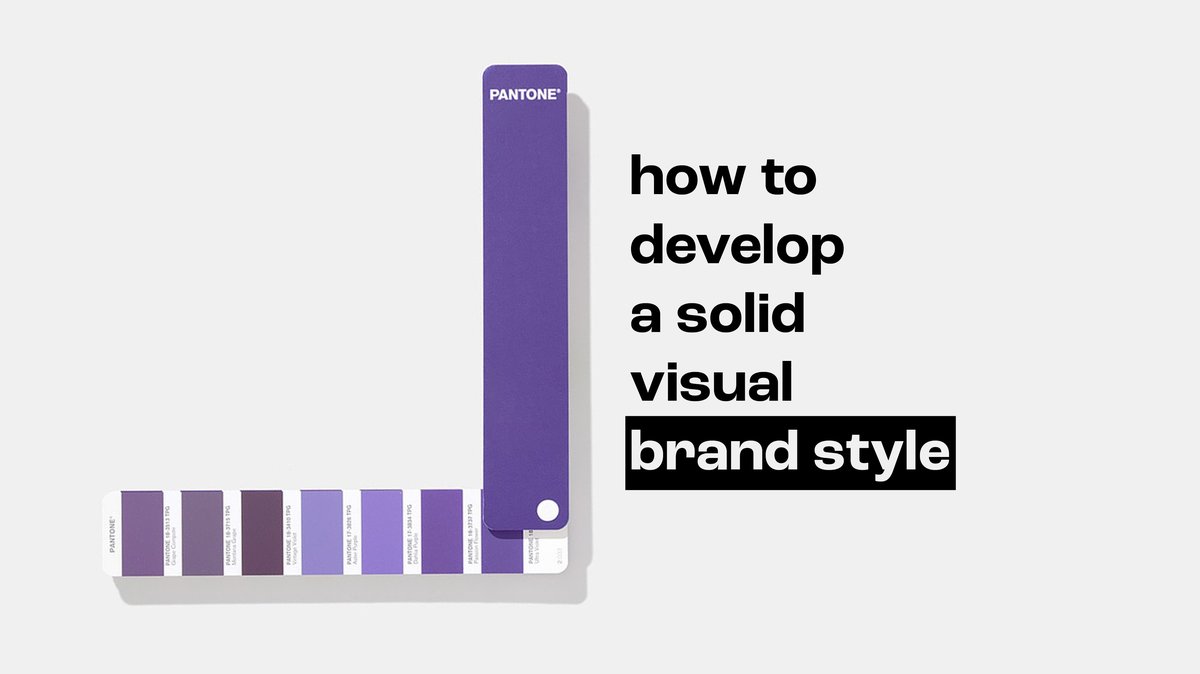
- Focus On: Choose a signature color palette to set the mood and ensure genre consistency. Soft, warm colors might convey romance or comfort; bold, stark hues with hints of grey or deep red could signal horror, tension, or a gritty sci-fi setting. This visual language instantly communicates atmosphere. You can see examples of this in various film projects, where visual choices are paramount. To learn more about live-action Atlantis and how its unique visual style might be adapted, consider the use of color and architecture to convey its lost grandeur.
Weaving Threads of Reality: Integrating Cultural References & Inspiration
No world is built in a vacuum. The most compelling fictional universes often draw deeply from the rich tapestry of our own history, mythology, and even popular culture. This doesn't mean copying; it means understanding, adapting, and transforming elements to create something fresh yet resonantly familiar.
- Harnessing History and Mythology: Many of the most enduring fantasy worlds are rooted in real-world history and mythology. J.R.R. Tolkien’s Middle-earth, for example, is famously rooted in Norse and Anglo-Saxon myths, which provided a rich wellspring for his Elves, Dwarves, languages, and various creatures. By studying ancient cultures, forgotten legends, and historical events, you can find profound inspiration for your world's lore, societal structures, and even the psychological underpinnings of your inhabitants. This adds a layer of depth and authenticity that makes the fantastical feel grounded.
- Employing Tropes from Popular Works (Wisely): Tropes are narrative shortcuts, recognizable patterns that audiences inherently understand. Works like Star Wars brilliantly blend sci-fi elements with classic chivalry, mysticism, and the enduring archetype of The Hero's Journey. It uses space opera dynamics and 'The Force' to create a world that feels both new and familiar. You can strategically employ these tropes for relatability and as a shorthand to communicate complex ideas quickly, but always with a unique twist to avoid feeling derivative.
- Detailing Cultural Specifics: The devil is in the details. To lend credibility and true immersion, delve into the specifics of your world's cultures:
- Architecture: Does it reflect the environment (e.g., dome-shaped houses in a desert), available resources (stone, wood, exotic metals), or a societal hierarchy (towering spires for the elite, cramped dwellings for the poor)?
- Fashion: What do people wear, and why? Does it protect them from the climate? Does it signify social status, religious affiliation, or profession? Clothes can tell a story about a character before they utter a word.
- Cuisine: What do people eat? How is it prepared? Does food reflect scarcity, abundance, cultural traditions, or magical properties? The meals your characters consume can reveal a great deal about their world's resources and customs.
The Living World: Creative Exploration & Defining Your Universe's DNA
World-building is an ongoing creative exploration. It’s about taking inspiration, applying foundational principles, and then fearlessly experimenting to define the unique "DNA" of your universe. This process involves not just detailing elements but making them feel interconnected and alive.
- Intricate Magic Systems: Don't just say magic exists; define it. Create structured frameworks that clearly outline:
- Origins: Where does magic come from? Is it innate, drawn from the environment, granted by deities, or a forgotten technology?
- Rules: What can it do? What can't it do? What are its specific parameters?
- Impact: How does magic affect individuals, society, and the environment? Does its use have ethical implications? Does it leave behind a residue or alter reality in subtle ways? A magic system with defined limitations and costs feels much more compelling than an all-powerful, deus ex machina force.
- Unique Life Forms: Populate your world with more than just humans. Design flora, fauna, monsters, and mythical beings with plausible behaviors and cultural significance.
- A plant that glows in the dark could be used for navigation or as a sacred symbol.
- A monstrous beast might not just be a threat but a keystone species in an ecosystem, or a creature whose migratory patterns dictate trade routes.
- Give them a reason to exist within your world, even if fantastical, and consider how they interact with intelligent species.
- Places as Living Components: Your landscapes, cities, and ecosystems shouldn't just be backdrops; they should be living components of your world.
- How has the climate shaped the architecture of a city?
- Do ancient ruins tell a story of a forgotten civilization and its mistakes?
- Is a sacred grove protected by ancient laws, and what happens if those laws are broken?
- Every location should have a history, a purpose, and a dynamic relationship with the inhabitants, making it feel integral to the narrative.
The Storyteller's Toolkit: Practical Applications Across Mediums
The principles and techniques of visual style and world-building are universally applicable, though their execution varies across different mediums.
- For Authors: A deeply built world lends immense credibility and immersion to literary works. It allows readers to truly lose themselves in the narrative, visualizing the settings, understanding the motivations rooted in cultural norms, and feeling the weight of historical conflicts. A well-crafted world makes the story feel bigger than its individual characters.
- For Gaming and Film Designers: World-building is paramount for creating cohesive, interactive, and truly immersive experiences. In games, players directly interact with the world, requiring consistent lore and believable environments that respond to their actions. In film, every frame contributes to the visual style, conveying information, mood, and the depth of the world through sets, costumes, cinematography, and special effects. Both mediums heavily rely on sound design to amplify the visual—audible cues for magic, the hum of futuristic tech, or the rustle of an alien jungle all contribute to immersion.
Future Horizons: World-Building in the Age of AI and Immersive Tech
The future of world-building promises even more powerful tools for creators. By 2026, we're likely to see significant advancements:
- AI as a Creative Assistant: Imagine providing AI with specific prompts for a character's backstory, personality traits, and environment. The AI could then generate detailed sketches of that character, conceptualize landscapes based on your ecological descriptions, or even suggest architectural styles that fit your culture. This won't replace human creativity but will significantly accelerate the visualization process, allowing writers and artists to iterate faster and explore more possibilities.
- Immersive Technologies (AR/VR): Augmented Reality (AR) and Virtual Reality (VR) will move beyond gaming and into direct storytelling. Picture a future where stories are projected into physical rooms, allowing users to not just read about a world but to physically walk through its narrative history. You could explore an ancient city, witness a historical battle unfold around you, or interact with elements of the world as if they were present in your own space, creating an unprecedented level of immersion.
Your Next Canvas: Actionable Steps to Build Your World Visually
You now have a deeper understanding of how visual style and world-building intertwine, offering a powerful avenue to enrich your storytelling. The journey to build a compelling world is ongoing, but here are your actionable next steps:
- Start with the Core: Begin by defining the absolute essentials: a general geography, one or two key cultural elements, and a foundational historical event. Don't try to detail everything at once.
- Sketch Early, Sketch Often: Don't wait until your writing is "perfect." Grab a notebook and start sketching. Map out your key locations, doodle your characters, or even just try to capture the mood of a specific scene through abstract shapes and colors. Embrace the messiness; it's part of the creative process.
- Define Your Visual Language: Consciously think about your world's dominant visual style. Is it gritty and realistic, or ethereal and fantastical? What colors dominate its landscapes? What do the common materials look like? Making these conscious choices early will help maintain consistency.
- Borrow and Transform: Look to history, mythology, and even other fictional works for inspiration. Identify elements that resonate with you, then ask: "How can I twist this? How can I make it uniquely mine within my world's context?"
- Iterate and Refine: World-building is an iterative process. Your initial ideas will evolve as your story develops. Don't be afraid to revisit your maps, character sketches, and lore as new insights emerge. Each refinement makes your world feel more robust and real.
- Seek Feedback: Share your visual explorations and world details with trusted readers or fellow creators. Their fresh perspectives can highlight areas of inconsistency or spark new ideas you hadn't considered.
By embracing visual style as an integral part of your world-building toolkit, you're not just crafting a story; you're creating an entire universe, one stroke, one word, and one idea at a time. The world is your canvas – go forth and create.